Yes you can!
In Ontario, you are fully protected from civil liability if you use an AED in good faith during an emergency, thanks to the Chase McEachern Act.
Good Samaritan Protection
- The Chase McEachern Act (2007): This law amends the Regulated Health Professions Act to protect any individual from civil liability for damages that may occur when voluntarily using an AED in an emergency, provided the device was used “in good faith” and without gross negligence.
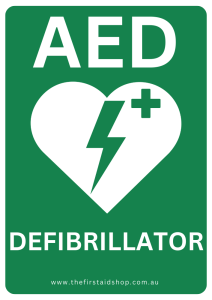
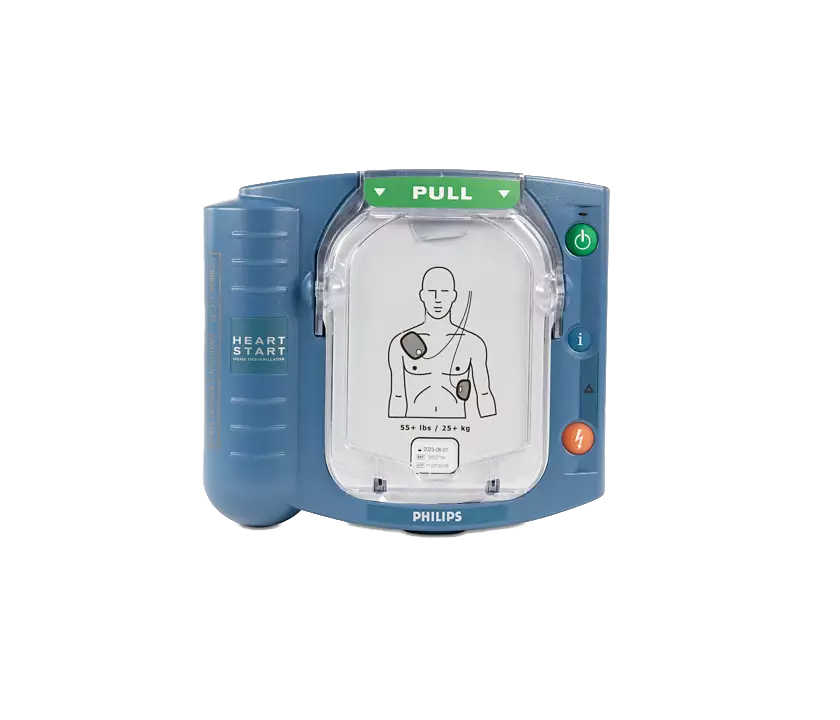
The AED is designed for untrained laypeople. The unit will guide you through the entire process, from preparing the patient and determining if a shock is warranted to monitoring the patient after a shock has been delivered and waiting for emergency services to arrive. As long as you follow the instructions given by the AED or a trained medical professional, you are covered by the McEachern Act.
More information on The Chase McEachern Act can be found here.
———————————–
Oui, c’est possible !
En Ontario, vous êtes entièrement protégé contre toute responsabilité civile si vous utilisez un DAE de bonne foi en cas d’urgence, grâce à la loi Chase McEachern.
Protection du bon samaritain
- La loi Chase McEachern (2007): cette loi modifie la loi sur les professions de santé réglementées (Regulated Health Professions Act) afin de protéger toute personne contre toute responsabilité civile pour les dommages pouvant survenir lors de l’utilisation volontaire d’un DAE en situation d’urgence, à condition que l’appareil ait été utilisé « de bonne foi » et sans négligence grave.
Le DAE est conçu pour être utilisé par des non-professionnels. L’appareil vous guidera tout au long du processus, depuis la préparation du patient et la détermination de la nécessité d’un choc jusqu’à la surveillance du patient après l’administration du choc et l’attente de l’arrivée des secours. Tant que vous suivez les instructions données par le DAE ou par un professionnel de santé qualifié, vous êtes protégé par la loi McEachern.
Pour plus d’informations sur la loi Chase McEachern, cliquez ici (en anglais uniquement).